
 Articles
Last updated: November 10, 2026
In 2026 Boston Scientific recalled its unused Infinion CX spinal cord stimulator leads, and the FDA classified the action as Class I, the most serious type of recall. The company had reported 1,081 serious injuries linked to the leads as of May 27, 2026 and no deaths. The recall removes leads that had not yet been implanted. It does not tell patients who already have Infinion CX leads to have them taken out. This post explains what was recalled and why, what to do if you have a Boston Scientific stimulator, and how the recall relates to the lawsuits.
Infinion CX Recall at a Glance
- Product: Boston Scientific Infinion CX lead kits, models SC-2317-50 and SC-2317-70.
- Classification: Class I; FDA notice published September 3, 2026.
- Reported harm: 1,081 serious injuries and no deaths as of May 27, 2026.
- Scope: unused leads only. The recall does not call for removing implanted leads.
- Lawsuits: Boston Scientific cases are in MDL 3181 (62 pending). A recalled lead is not required for a claim.
What Was Recalled
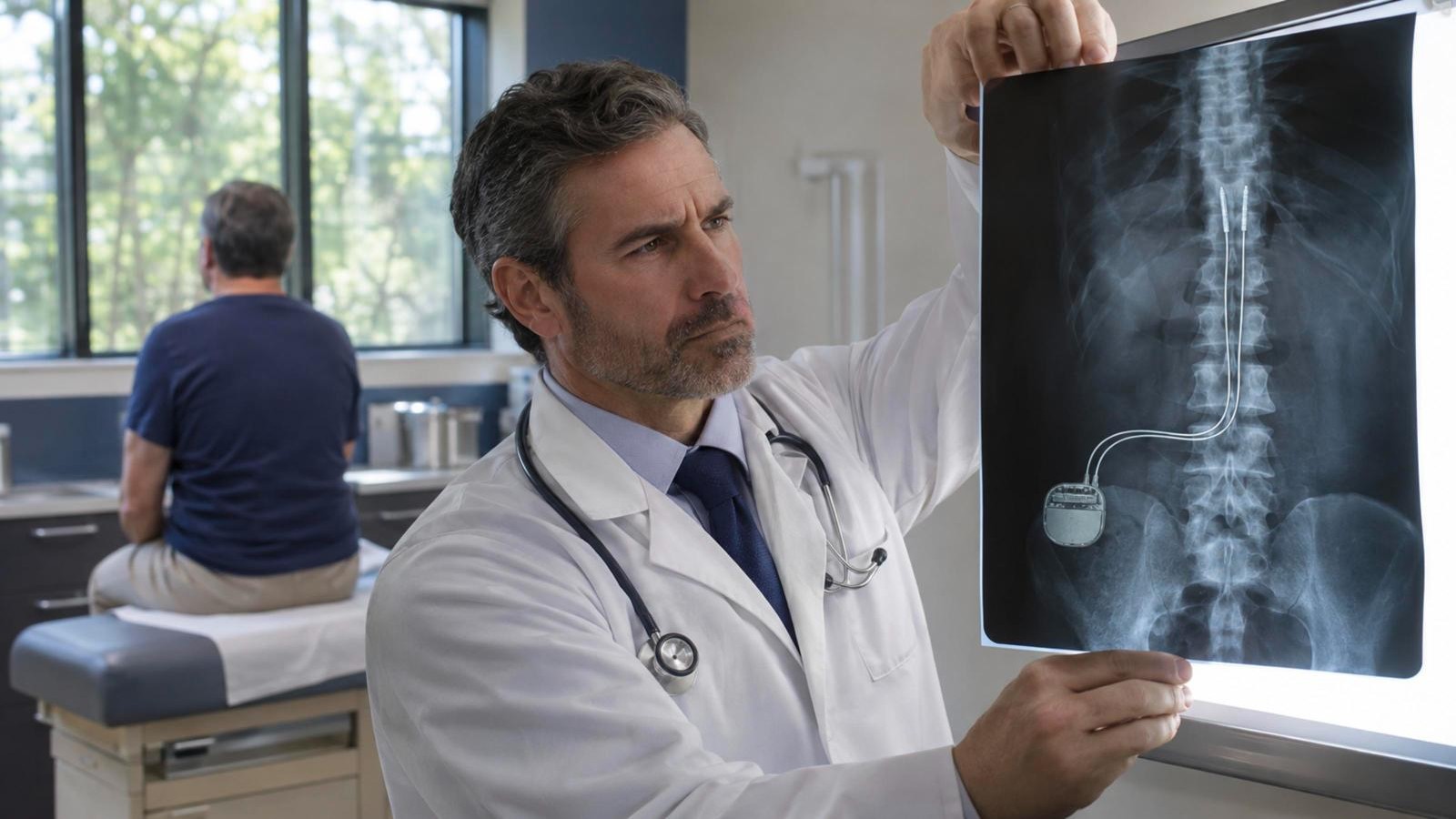
A spinal cord stimulator has two main parts: a battery-powered generator implanted under the skin, and leads, thin insulated wires with electrical contacts at the tip that are threaded into the space beside the spinal cord. The Infinion CX is a Boston Scientific lead used with the company’s stimulator systems. The recall covers Infinion CX leads that were still in hospital and distributor inventory. The FDA’s database lists 1,079 units. Boston Scientific has said the Infinion CX is no longer manufactured and has been replaced by a newer lead, the Infinion Pro.
Why It Was Recalled
According to the FDA’s notice, mechanical stress on the body of the lead at the point where it is anchored can lead to high impedance measurements or to a fracture of the lead. Impedance is electrical resistance; when it climbs, the current cannot reach the contacts as intended. Either problem can leave the patient with inadequate stimulation, which means the pain relief fades or stops, and can end in surgery to remove and replace the lead.
The Recall Timeline
- May 27, 2026: the date as of which Boston Scientific had reported 1,081 serious injuries and no deaths.
- June 17, 2026: Boston Scientific sent customers a letter telling them to stop using and distributing the leads.
- August 5, 2026: the recall was entered in the FDA’s recall database.
- September 3, 2026: the FDA published its public notice identifying the recall as Class I.
A Class I recall is the FDA’s designation for a situation in which use of the product may cause serious injury or death.
If You Already Have Infinion CX Leads
Your Health Comes First: Do not turn off, stop charging or seek removal of your stimulator because of a lawsuit or a recall notice. Those are medical decisions to make with your doctor. If you have sudden weakness or numbness, loss of bowel or bladder control, fever, or signs of infection at the implant site, get medical care right away.
The recall is a removal of unused product. It does not apply to devices already implanted in patients, and the FDA has recommended no patient monitoring beyond routine clinical follow-up. Boston Scientific has said that a lead problem can be evaluated through routine follow-up and standard troubleshooting, including reprogramming, and that if the problem cannot be resolved the affected lead can typically be removed and replaced while the generator stays in place.
In practical terms:
- Find out what you have. Your implant card or the operative report from your surgery lists the lead model. If you cannot find either, your pain clinic can tell you.
- Watch for changes. Stimulation that weakens, cuts in and out, shifts to a different part of the body, or delivers jolts when you move can each be a sign of a lead problem.
- Report changes to your doctor and ask whether the lead impedance has been checked and whether imaging is warranted.
- Do not stop using the device or seek removal on your own because of the recall. That is a decision to make with your physician.
How the Recall Relates to the Lawsuits
Lawsuits against Boston Scientific over its spinal cord stimulators are centralized in a federal multidistrict litigation, MDL 3181, before Judge Josephine L. Staton in the Central District of California. There were 62 cases pending on November 2, 2026. The lawsuits were filed before the recall and do not depend on it. They allege that Boston Scientific brought a series of modified stimulator systems to market through the FDA’s supplement process without new clinical testing, failed to warn of shocks, burns, lead migration and device failure, and allowed sales representatives to make treatment decisions. Boston Scientific denies the allegations.
The recall matters to a claim in two ways. It is evidence that a specific Boston Scientific lead had a specific mechanical problem that the company itself tied to more than a thousand serious injuries. And a patient whose Infinion CX lead fractured or lost function, and who needed surgery because of it, has an injury that matches what the recall describes. Whether the recall can be used at trial, and how federal preemption applies to a recalled component, are questions the court has not yet answered.
You do not need a recalled lead to have a claim. Most Boston Scientific plaintiffs, and all of the Abbott, Nevro and Medtronic plaintiffs, have devices that were never recalled. Our spinal cord stimulator lawsuit guide covers all four manufacturers.
Other Spinal Cord Stimulator Recalls
The Infinion CX action is not the first Class I recall in this product category. In July 2023 Abbott issued a correction, classified as Class I, for Proclaim and Infinity implantable generators that could become stuck in MRI mode and stop delivering therapy; it covered more than 155,000 devices in the United States and was addressed with instructions and software, not removal. Abbott has since issued further corrections concerning battery-replacement warnings and Bluetooth communication in its Eterna system. Abbott stimulator lawsuits are in a separate proceeding, MDL 3194, in Chicago.
Deadlines Still Apply
A recall does not extend the time to file a lawsuit. The deadline is set by state law and usually starts when the device first causes an injury you could connect to it: one year in Tennessee, two in Alabama and Georgia, three in North Carolina. A manufacturer may even argue that a public recall notice put patients on notice of a possible claim. If your Boston Scientific stimulator has lost function or needed surgery, have the dates reviewed. See our guides for Alabama, Georgia, Tennessee and North Carolina.
Infinion CX Recall FAQs
Do I need to have my Infinion CX leads removed?
Not because of the recall. The recall applies to unused leads, not to leads already implanted, and the FDA has recommended no monitoring beyond routine follow-up. If your stimulation has changed, see your doctor, who can test the lead and decide whether it should be replaced.
How do I know if I have Infinion CX leads?
Check your implant identification card or ask the hospital or surgery center for the operative report, which lists each implanted component by model and lot number. Your pain clinic also has the record.
How many injuries were reported in the Infinion CX recall?
Boston Scientific reported 1,081 serious injuries as of May 27, 2026 and no deaths, according to the FDA’s notice.
Can I file a lawsuit if my Boston Scientific lead fractured?
You may be able to. Patients whose leads fractured or lost function and who needed revision or replacement surgery are among those whose claims are being reviewed for the Boston Scientific MDL. Whether a claim is viable depends on the records and on your state’s deadline.
Is the whole Boston Scientific stimulator recalled?
No. The 2026 Class I recall covers the Infinion CX lead only, and only unused units. The generators and other leads were not part of it.
Fob & Foster Personal Injury Lawyers review spinal cord stimulator claims at no charge. Call (205) 407-6009.
Related Practice Areas
- Spinal Cord Stimulator Lawsuit
- Alabama Spinal Cord Stimulator Lawsuit
- Georgia Spinal Cord Stimulator Lawsuit
- Tennessee Spinal Cord Stimulator Lawsuit
- North Carolina Spinal Cord Stimulator Lawsuit
- Spinal Cord Stimulator Lawsuit Update
- Spinal Cord Stimulator Verdicts and Settlements
- Boston Scientific Spinal Cord Stimulator Lawsuit
- Abbott Spinal Cord Stimulator Lawsuit
- Nevro Spinal Cord Stimulator Lawsuit
- Medtronic Spinal Cord Stimulator Lawsuit

Fob James, IV
Fob James obtained a B.S., in software engineering from Auburn University and then continued his education by getting his J.D. from Vanderbilt University School of Law. After working for a large national firm for several years, Fob found that his passion was fighting for individuals who have been seriously injured or wronged by others. Fob believes that the jury is the great equalizer to the power and influence that large corporations have in society. Many of Fob’s cases are high profile and have been featured in, among others: Bloomberg News, PlanAdvisor, AL.com, PlanSponsor, National Law Review, and BusinessInsider. For his work in obtaining numerous multi-million dollar outcomes for his clients, Fob has been recognized by: National Trial Lawyers Top 100, SuperLawyers Rising Star (2020-2026), Birmingham Business Journal Who’s Who in Law (2023-2025), and TrustAnalytica – Top Personal Injury Lawyers in Alabama.