
 Auto Accidents
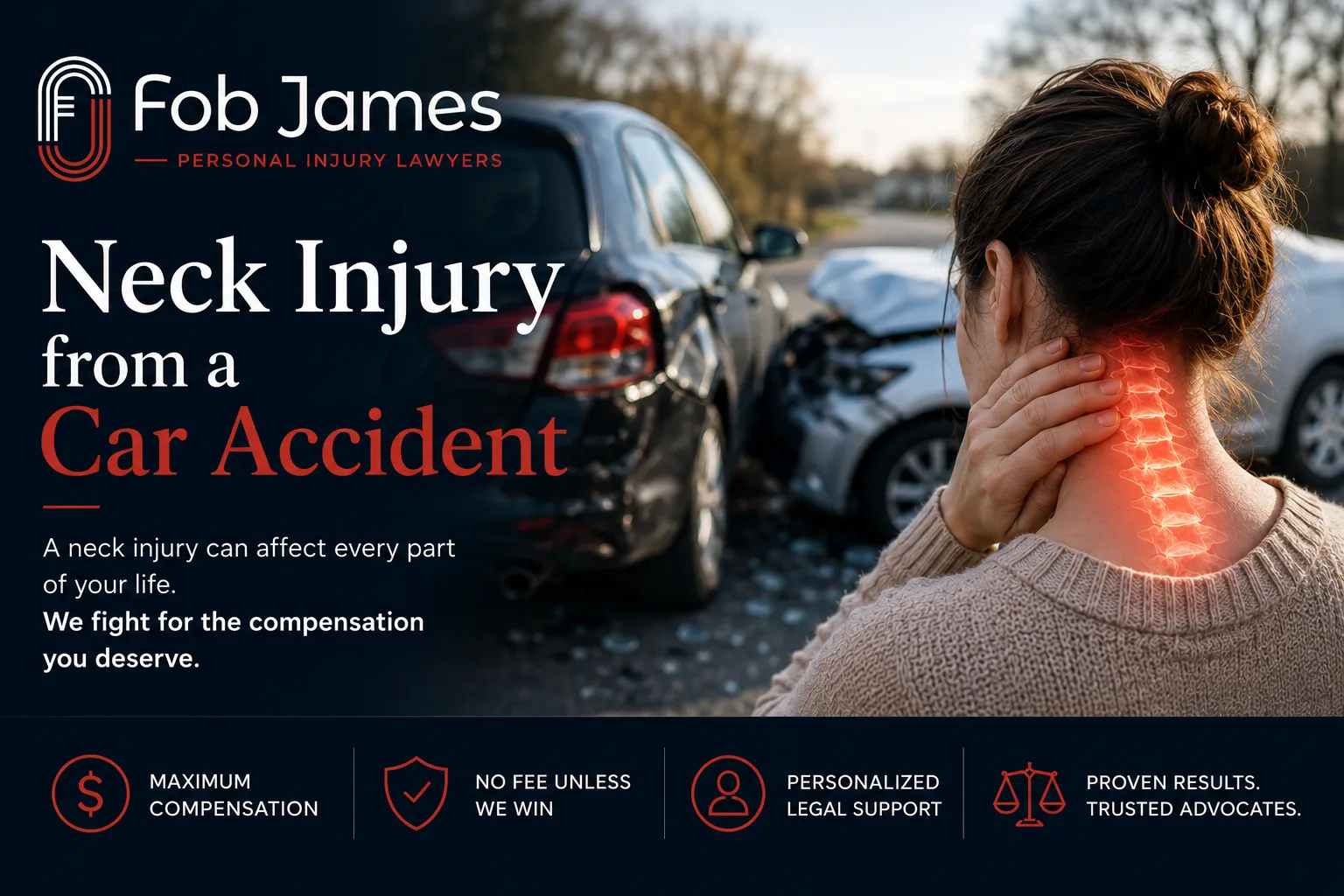
A neck injury from a car accident can affect nearly every part of your daily life. Simple tasks like driving, sleeping, working, or even turning your head can become painful and frustrating. What may seem like a minor ache immediately after a crash can develop into chronic pain, nerve problems, or long-term mobility issues if left untreated.
Across Alabama, car accidents cause thousands of injuries every year. According to the Alabama Department of Transportation’s Alabama Crash Facts reports, injury crashes occur daily on roads throughout the state. Whether a collision happens on I-65 through Birmingham, I-459, or a neighborhood road in Jefferson County, neck injuries are among the most common consequences.
If you are experiencing neck pain after a car accident, understanding the potential injuries, treatment options, and your legal rights can help you make informed decisions about your recovery.
Common Types of Neck Injuries from a Car Accident
The force generated during a collision can stretch, compress, or damage the bones, discs, muscles, ligaments, and nerves in the cervical spine. Below are eight common types of neck injuries from collision events.
Whiplash
Whiplash is the most common crash neck injury, and it has its own dedicated guide: see whiplash from a car accident for symptoms, recovery timelines, and how those claims work. This guide focuses on the structural injuries beyond whiplash: damaged discs, fractured vertebrae, and compressed nerves.
Herniated Disc
The cervical spine contains discs that act as cushions between vertebrae. A collision can cause a disc to bulge or rupture, placing pressure on nearby nerves.
A herniated disc may cause:
- Neck pain,
- Numbness or tingling in the arms,
- Muscle weakness, and
- Radiating pain into the shoulders or hands.
In some cases, surgery may be necessary if conservative treatment does not provide relief.
Spinal Fracture
A spinal fracture involves a break in one or more vertebrae in the neck. These injuries are often associated with high-speed crashes and can be life-altering.
Symptoms may include severe pain, loss of movement, numbness, or neurological impairment. Because fractures can threaten the spinal cord, immediate medical attention is critical.
Spondylolisthesis
Spondylolisthesis occurs when one vertebra slips forward over another. While this condition can develop gradually over time, traumatic events such as car accidents may cause or worsen it.
Victims often experience:
- Chronic neck pain,
- Muscle tightness,
- Nerve irritation, and
- Reduced mobility.
Diagnostic imaging is usually necessary to determine the severity of the condition.
Spinal Stenosis
Spinal stenosis is a narrowing of the spinal canal that places pressure on nerves and the spinal cord. A crash can aggravate previously asymptomatic stenosis or accelerate symptoms.
Individuals may notice:
- Neck pain,
- Tingling in the extremities,
- Weakness, and
- Difficulty with balance or coordination.
Insurance companies frequently argue that stenosis existed before the accident. Medical records and expert analysis are often necessary to determine how the collision contributed to the condition.
Sprains
A neck sprain involves stretched or torn ligaments. These injuries commonly occur when the neck is forced beyond its normal range of motion.
Symptoms may include:
- Pain,
- Swelling,
- Tenderness, and
- Limited movement.
Although many sprains heal with conservative treatment, severe cases can require extensive rehabilitation.
Strains
Muscle and tendon injuries are known as strains. A strain may produce symptoms similar to a sprain, leading many people to search for information about neck strain vs. whiplash. While both injuries can occur in the same crash, whiplash describes the injury mechanism, while a strain refers specifically to damage involving muscles or tendons.
Pinched Nerves
A pinched nerve develops when surrounding tissues compress a nerve root. This compression may result from swelling, disc injuries, fractures, or other trauma.
Symptoms often include:
- Burning pain,
- Tingling,
- Numbness, and
- Weakness in the arms or hands.
Prompt treatment can help prevent long-term nerve damage.
Symptoms That Should Never Be Ignored
Many people walk away from a collision believing they escaped serious injury, only to develop symptoms hours or days later.
Seeking medical evaluation as soon as possible is important if you experience:
- Persistent neck pain,
- Headaches,
- Dizziness,
- Numbness or tingling,
- Weakness in the arms,
- Reduced range of motion, and
- Pain radiating into the shoulders or upper back.
Any suspected cervical spine injury that car wreck victims experience should be evaluated by a medical professional. Early diagnosis often leads to better treatment outcomes and creates important documentation if an insurance claim becomes necessary.
Treatment and Recovery Expectations
Recovery depends on the type and severity of the injury. Common treatment options include:
- Rest and activity modification,
- Physical therapy,
- Prescription medications,
- Pain management injections,
- Chiropractic care when appropriate, and
- Surgical intervention for severe injuries.
One of the most common questions patients ask is, “How long does neck pain last after an accident?”
Unfortunately, there is no universal answer. Mild soft tissue injuries may improve within weeks, while herniated discs, nerve injuries, fractures, and degenerative conditions aggravated by a collision can require months or years of treatment. Some individuals continue experiencing symptoms long after the crash.
Following your physician’s treatment plan and attending all recommended appointments can play a significant role in both your physical recovery and your injury claim.
Protecting Yourself After a Neck Injury
After a crash in Birmingham, many injury victims seek treatment before ever speaking with an insurance adjuster. That timing matters. Insurance companies often begin investigating claims immediately and may look for opportunities to minimize the severity of injuries.
Keeping records of medical visits, diagnostic imaging, prescriptions, lost wages, and daily limitations can help document the impact of the injury. Delays in treatment may give insurers grounds to argue that the injury was unrelated to the collision or was not serious.
Alabama also follows a strict contributory negligence system. Under Alabama law, a person found even partially responsible for causing an accident may be barred from recovering compensation. Because these cases can become complex quickly, obtaining legal guidance early is often beneficial.
How Fob James Law Helps Injured Drivers
No one should have to navigate a serious neck injury alone. When you’re dealing with pain, missed work, medical appointments, and pressure from insurance companies, having experienced legal support can make a meaningful difference.
Fob & Foster Personal Injury Lawyers has recovered more than $100 million for injury victims across Alabama. Our firm limits its caseload so clients can communicate directly with their attorney, not just support staff. Every case is prepared for trial from the start, and we make efforts to download black-box data whenever available to help preserve critical evidence.
If you suffered a neck injury from a car accident, you may be entitled to compensation for medical expenses, lost income, pain and suffering, and other damages. A free consultation can help you understand your options and determine the next steps toward recovery and accountability.
References Used to Inform This Page
To ensure the accuracy and clarity of this page, we referenced official legal and other resources during the content development process:
- Alabama Department of Transportation – Alabama Crash Facts 2024
- Rule 8(c) of the Alabama Rules of Civil Procedure – Contributory negligence
- Cleveland Clinic, Whiplash (Neck Strain)
- Cleveland Clinic, Herniated Disk (Slipped or Bulging Disk)
- Cleveland Clinic, Spinal Stenosis
- Cleveland Clinic, Fractured Spine (Vertebrae)
- Cleveland Clinic, Spondylolisthesis
- Cleveland Clinic, Neck Pain
- Cleveland Clinic, Radiculopathy (Pinched Nerve)

Fob James, IV
Fob James obtained a B.S., in software engineering from Auburn University and then continued his education by getting his J.D. from Vanderbilt University School of Law. After working for a large national firm for several years, Fob found that his passion was fighting for individuals who have been seriously injured or wronged by others. Fob believes that the jury is the great equalizer to the power and influence that large corporations have in society. Many of Fob’s cases are high profile and have been featured in, among others: Bloomberg News, PlanAdvisor, AL.com, PlanSponsor, National Law Review, and BusinessInsider. For his work in obtaining numerous multi-million dollar outcomes for his clients, Fob has been recognized by: National Trial Lawyers Top 100, SuperLawyers Rising Star (2020-2026), Birmingham Business Journal Who’s Who in Law (2023-2025), and TrustAnalytica – Top Personal Injury Lawyers in Alabama.